The artificial intelligence revolution is reshaping the global memory market, and not for the better, but in ways that could keep shortages and higher prices in place for years, according to a new report from consulting firm Kearney.
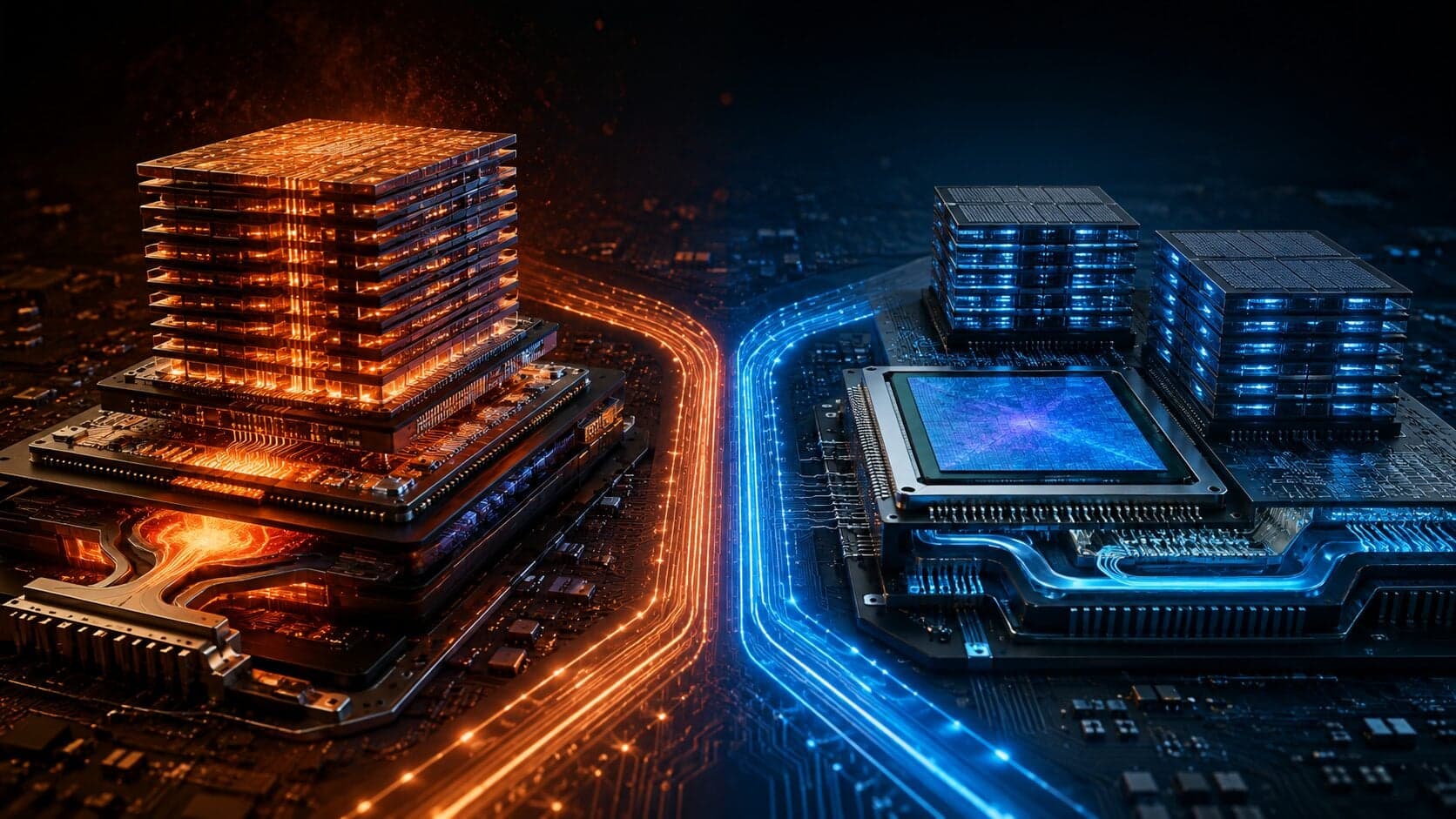
The report, titled “The Great Memory Reallocation,” states that the industry is facing more than a traditional boom-and-bust cycle. The memory industry is notorious for regular alternating cycles of oversupply and then undersupply, but in this case, AI demand is redirecting manufacturing capacity toward high-bandwidth memory (HBM) and premium server-grade DRAM, leaving other sectors scrambling for supply.
“AI is not just creating more demand for memory,” the report states. “It is reallocating scarce fab supply toward high-bandwidth memory and high-value server DRAM.”
Some of that has already come true. Micron Technology, one of the three major providers of DRAM, ended its Crucial consumer products business earlier this year in favor of enterprise customers only, which is why the DRAM shortage is hitting consumers particularly hard. The memory makers are favoring enterprise customers over consumers because they can charge more, leaving consumers scrambling and often unable to afford memory for their PCs.
Kearney analysts predict meaningful relief may not arrive until 2030, with shortages becoming more severe through 2027 and continuing to affect mainstream memory markets through the end of the decade.
The firm estimates that HBM, a critical component in AI accelerators, will account for 32% of global memory supply by 2027 and rise to 34% by 2029. Under more constrained conditions, that share could climb to nearly 38%.
And for every memory wafer dedicated to HBM, that’s a wafer not going to standard DRAM, which exacerbates the shortage.
The shift is creating what researchers describe as a structural imbalance rather than a temporary shortage. Overall memory production continues to increase, but more and more capacity is going into HBM, which sells at a premium price over standard DRAM.
“The constraint is no longer only total bit supply,” the report says. “It is whether the right bits, on the right nodes, in the right packages, are available to the right customers.”
The impact isn’t just being felt in computing. Entry-level smartphones and other consumer electronics are particularly vulnerable because manufacturers have limited ability to absorb rising memory costs. The report notes that companies, including Samsung, have already raised prices on some products during the first half of 2026. That’s especially ironic given that Samsung is one of the three major memory makers in the world.
Higher-end segments such as PCs and premium smartphones occupy a middle ground. While not immediately cut off from supply, they are expected to face increased costs, leading to higher retail prices and slower upgrade cycles. Microsoft, for example, has reportedly increased prices on certain Surface models by as much as $500.
The report identifies two major wildcards that could alter the market outlook. The first is China, which accounts for roughly one-fifth of global memory production through 2029. Geopolitical restrictions, however, may limit how much of that capacity is available to international buyers. Greater access to Chinese output could ease shortages as early as 2028, Kearney said.
The second factor is improvements in AI model efficiency. Large language models require a tremendous amount of memory, which is why AI-oriented data centers are using so much memory. While developers are making progress in reducing memory requirements for LLMs, lower costs may ultimately drive even greater adoption and usage, offsetting the gains.
For business leaders, the report recommends prioritizing critical products, simplifying memory-intensive designs and exploring secondary markets, including reusing DRAM harvested from retired servers. It won’t solve the shortage but it could help ameliorate the impact in the short term.
Policymakers face a different challenge. Essential sectors such as healthcare, defense, telecommunications and emergency services may struggle to compete with higher-margin commercial customers for scarce memory supplies.
The broader lesson, Kearney argues, extends beyond memory chips themselves. “AI does not need to consume every component directly to reshape supply,” the report concludes. “It only needs to become the highest-value claimant on shared bottlenecks, forcing a reprioritization of capacity toward the segments that can justify it.”