An explosion in artificial intelligence (AI) development has ignited a severe global memory chip crunch, igniting an aggressive lobbying campaign on Capitol Hill as non-AI sectors scramble to secure critical components and protect failing supply pipelines.
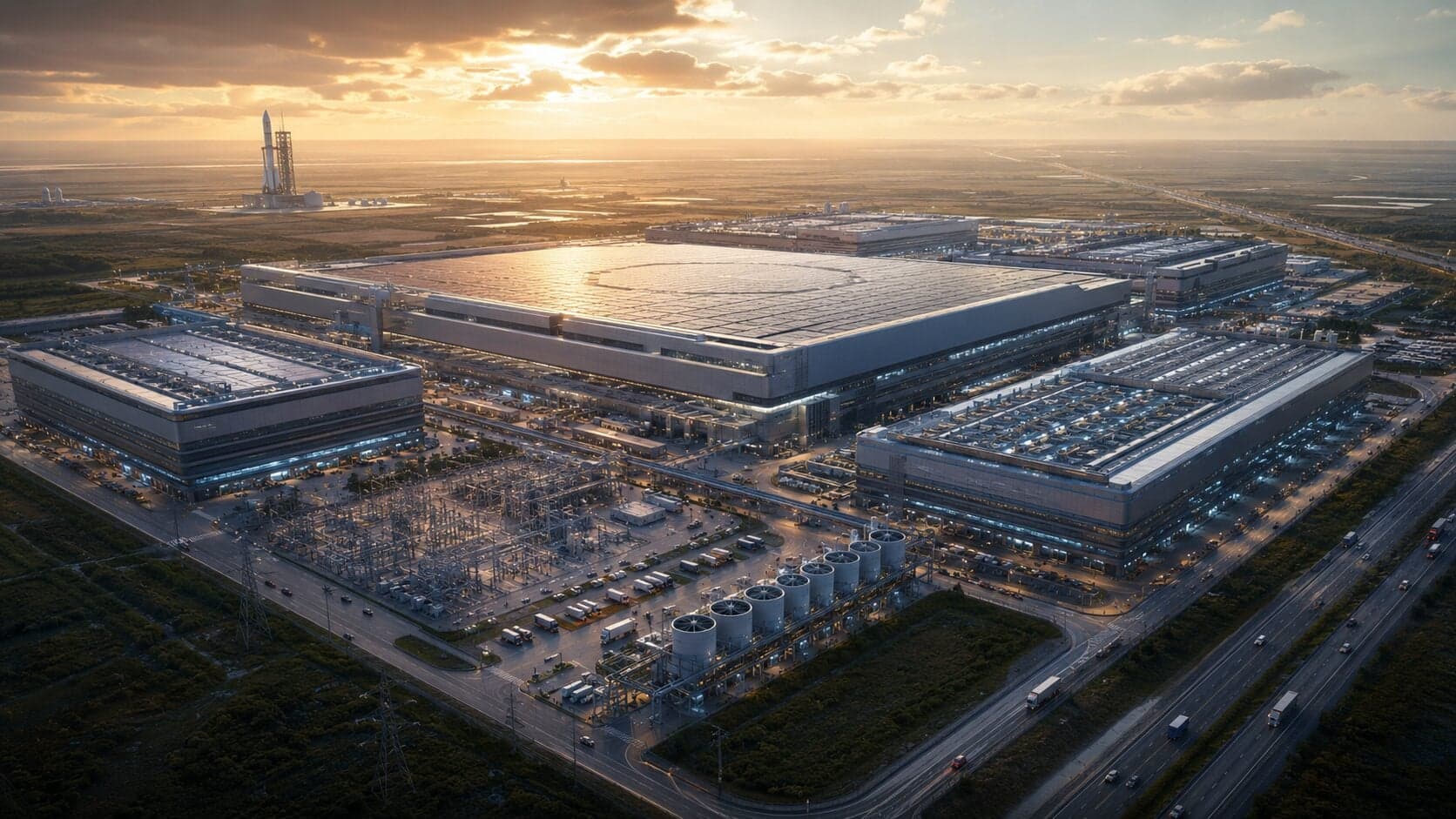
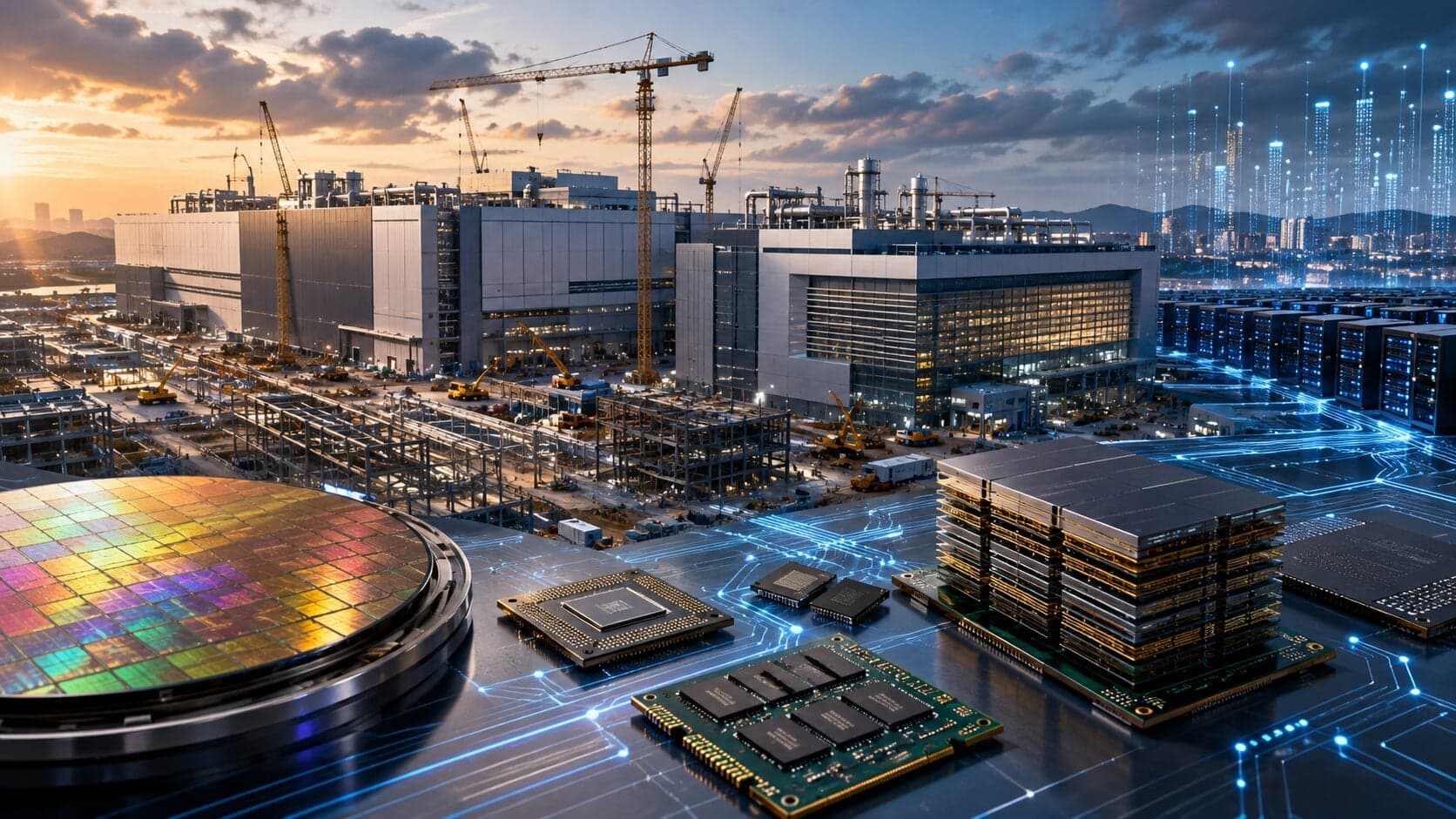
Driven by data centers vacuuming up massive volumes of high-bandwidth memory and dynamic random-access memory (DRAM) to train advanced AI models, traditional semiconductor manufacturers are aggressively pivoting production toward high-margin AI hardware. The shift has left consumer electronics giants, medical device makers, and emerging technology companies competing for a dwindling supply of standard components.
At the center of this corporate push is Apple Inc., which is actively lobbying the Trump administration for permission to purchase memory chips from ChangXin Memory Technologies (CXMT).
The Chinese semiconductor manufacturer was added to the Pentagon’s Section 1260H list of military-linked entities on June 8. Although the designation does not automatically impose a total commercial sales ban, reports from late June document Apple engaging directly with officials at the Department of Commerce and the Department of the Treasury. Apple is seeking formal assurances that future regulatory crackdowns will not cut off CXMT as a crucial supply lifeline.
The tech giant’s coordinated campaign follows skyrocketing component costs that have already hit consumers. In mid-June, Apple CEO Tim Cook publicly characterized rising memory prices as “unsustainable.”
By late June, the company introduced notable price increases across its Mac and iPad lines, including a $100 price bump on the MacBook Neo. With Apple generating more than $400 billion in annual revenue — the vast majority driven by hardware — sustained component inflation directly threatens profit margins on every flagship device it ships.
Apple’s move has encountered fierce opposition on Capitol Hill. A bipartisan coalition of lawmakers, led by Rep. John Moolenaar (R-Minn.), has publicly denounced the initiative, arguing that greenlighting commercial transactions with blacklisted entities sets a dangerous political precedent and deepens American technological reliance on China at a critical strategic moment.
Domestic semiconductor producers have voiced similar concerns. U.S. memory manufacturers like Micron Technology Inc. have invested billions in expanding domestic fabrication facilities, supported by federal incentives under the CHIPS and Science Act. Industry leaders argue that allowing tech giants to turn to cheaper Chinese alternatives undermines the economic logic of those investments and undercuts efforts to build a resilient domestic supply chain.
Beyond mega-cap corporations, the hardware crunch poses an existential threat to mid-tier developers and startups. Lacking the deep pockets of major tech conglomerates, smaller companies are frequently priced out of the market or pushed to the back of supply queues, making equitable competition in the rapidly evolving machine-learning ecosystem increasingly difficult.
In response, trade groups and corporate lobbyists are flooding K Street to pressure congressional leaders and the Commerce Department. Advocates are demanding fast-tracked permits and immediate expansion of domestic manufacturing subsidies beyond current legislative frameworks, contending that inaction threatens America’s strategic edge in global technological innovation.
As Washington struggles to balance immediate supply chain resilience against long-term national security priorities, the outcome of this intense political lobbying campaign will fundamentally reshape the global technology economy and define the future of hardware manufacturing.