Anthropic is assembling an in-house chip design team to develop custom processors for its Claude family of AI models, a key step in the company’s effort to reduce infrastructure costs and improve AI performance.
The company plans to design future AI models alongside custom hardware rather than adapting software to commercially available processors. That approach allows the chip architecture to be tailored to the exact requirements of Claude, improving efficiency and reducing wasted computing resources that can occur when general-purpose AI accelerators are used.
Anthropic is hiring engineers with expertise across hardware and software development to build a custom silicon team. Current job listings seek specialists in processor design and verification, indicating the company intends to build significant chip design expertise internally.
Focused on Inference
Anthropic did not disclose when its first chip will enter production or whether it will manufacture the processor itself. Expert sources estimate that designing a leading-edge AI chip can cost roughly $500 million, including both engineering expenses and the extensive validation required before fabrication.
Although Anthropic has not revealed technical specifications, the effort is widely expected to focus on inference. Inference has become a major operating expense for AI companies because customer demand requires vast amounts of computing power. Purpose-built processors can lower power consumption while improving throughput compared with off-the-shelf graphics processors.
One area of focus will be automating chip verification with AI. According to a job posting, Anthropic intends to train Claude to assist with testing new processor designs through simulation. The company is particularly interested in formal verification, a technique that evaluates chip designs across every possible operating condition to identify potential flaws before manufacturing begins.
Anthropic has explored Samsung Electronics as a manufacturing partner. Samsung recently introduced packaging technology designed to place high-bandwidth memory directly above processing logic, reducing the distance data must travel and lowering energy consumption. Anthropic has not confirmed any manufacturing agreement.
Anthropic said custom silicon represents another element of its multi-chip strategy rather than a replacement for existing suppliers. The company will continue using hardware from Amazon Web Services, Google, NVIDIA and AMD.
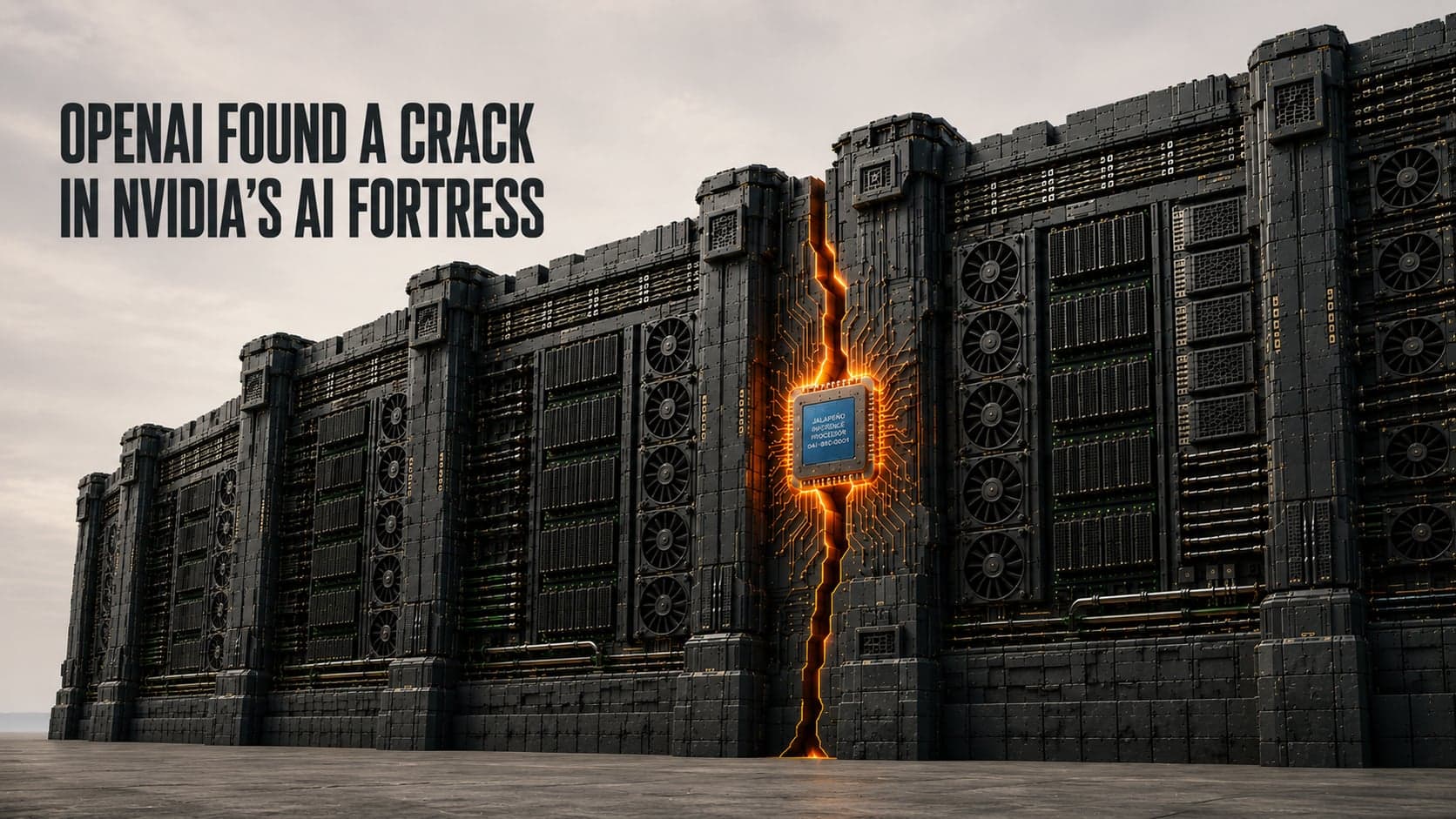
Anthropic joins a growing list of AI developers investing in custom hardware. OpenAI recently introduced its Broadcom-developed Jalapeño inference chip, while Google has long relied on its TPUs for AI workloads. Meta is also developing its own AI accelerators as major model developers seek alternatives to relying exclusively on the traditional silicon providers.
Bottom line, AI developers are working to gain greater control over the hardware running their models. Demand for AI computing continues to outpace supply, while the cost of training and operating LLMs remains one of the industry’s largest expenses. Given the costs involved and the fierce competition among AI model providers, ownership of the underlying hardware is becoming a strategic priority.