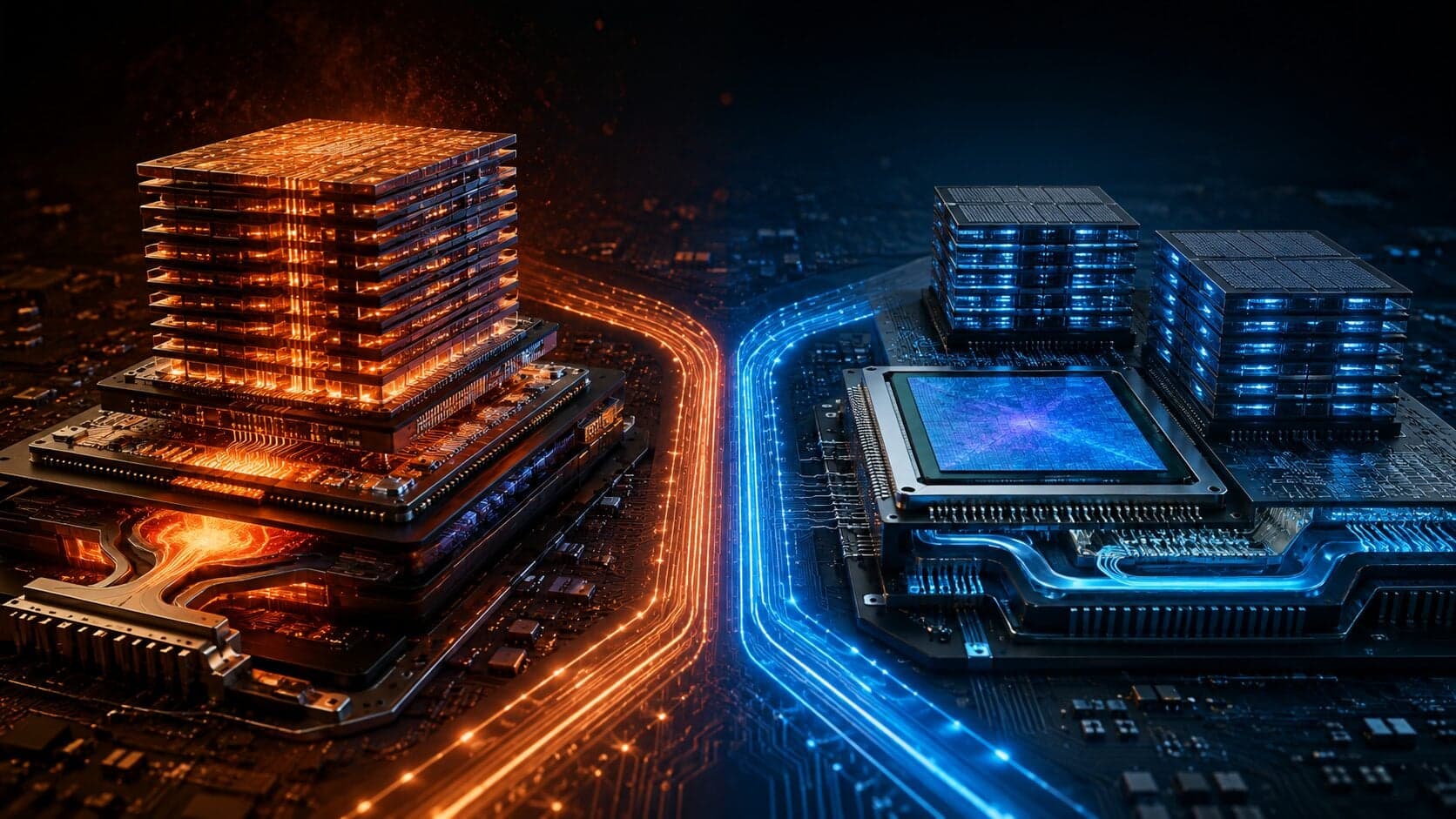
IBM is developing a new processor that would bring Arm-native applications directly to its IBM Z mainframes and LinuxONE systems, allowing both Arm and IBM’s mainframe instructions to run side by side on the same processor cores. That would allow organizations to run Arm-native Linux applications alongside existing z/OS and Linux workloads on the same IBM Z system.
The approach could be particularly significant for enterprises that have deployed Arm-based cloud infrastructure. Instead of requiring developers to port applications to IBM’s architecture, the new design is intended to provide native Arm compatibility while retaining the security, reliability and high-availability characteristics associated with IBM Z and LinuxONE.
IBM unveiled the design Monday at the Hot Chips conference held at Stanford University, describing it as the company’s first dual-architecture mainframe processor. The chip is the first major hardware result from IBM’s collaboration with Arm, announced in April, and is aimed at expanding the software ecosystem available to customers of IBM’s enterprise systems.
IBM said the processor is being designed using a 2nm manufacturing process and will feature at least 11 high-performance cores operating at more than 5.7 GHz. The company also plans to incorporate AI inference accelerators, an on-chip data-processing unit for accelerating I/O operations and a large cache architecture.
The chip doesn’t contain separate Arm and IBM cores; instead, each processor core can natively execute Arm and IBM Z, or Arm and LinuxONE, instructions concurrently while prioritizing the platform’s established performance, security, encryption, and availability characteristics. IBM Z and LinuxONE platforms are capable of scaling to hundreds of cores and tens of terabytes of memory.
The dual-architecture design also gives IBM a chance to expand the usefulness of the mainframe into the cloud, where mainframes haven’t found a home but Arm processors have.
“As AI scales, more of the computing landscape is converging on Arm,” said Mohamed Awad, executive vice president, cloud AI at Arm Holdings in a statement. “IBM Z and LinuxONE power some of the world’s most demanding workloads in highly regulated industries. Bringing Arm compute and its software ecosystem to these platforms will extend that momentum into mission-critical enterprise infrastructure to give organizations greater choice in how they deploy AI.”
IBM Z has a deeply entrenched software base built around its architecture and z/OS after many decades, but much newer software is increasingly developed first for Arm and Linux. By making its processor capable of executing both architectures, IBM can potentially reduce the need for application-specific porting.
IBM’s goal is not simply to add Arm processors to its systems, but to make Arm execution a native capability of the mainframe processor itself. That distinction could allow Arm applications to operate alongside existing mainframe workloads rather than forcing customers to maintain separate systems.
The processor is still under development and will not appear immediately in IBM Z systems. IBM is targeting a future generation of IBM Z and LinuxONE machines, with additional architectural and product details expected as development progresses.