Because of demand from AI workloads, memory production is shifting away from standard DRAM toward High Bandwidth Memory (HBM), which is causing both a shortage of standard DRAM and a sharp increase in prices for the supply that is available.
There are only three vendors of note in the world making both DRAM and HBM memory: Micron Technology, Samsung Electronics, and SK Hynix. After that, it is a string of also-rans with single-digit market share, mostly in China. They are in a state of flux right now for multiple reasons.
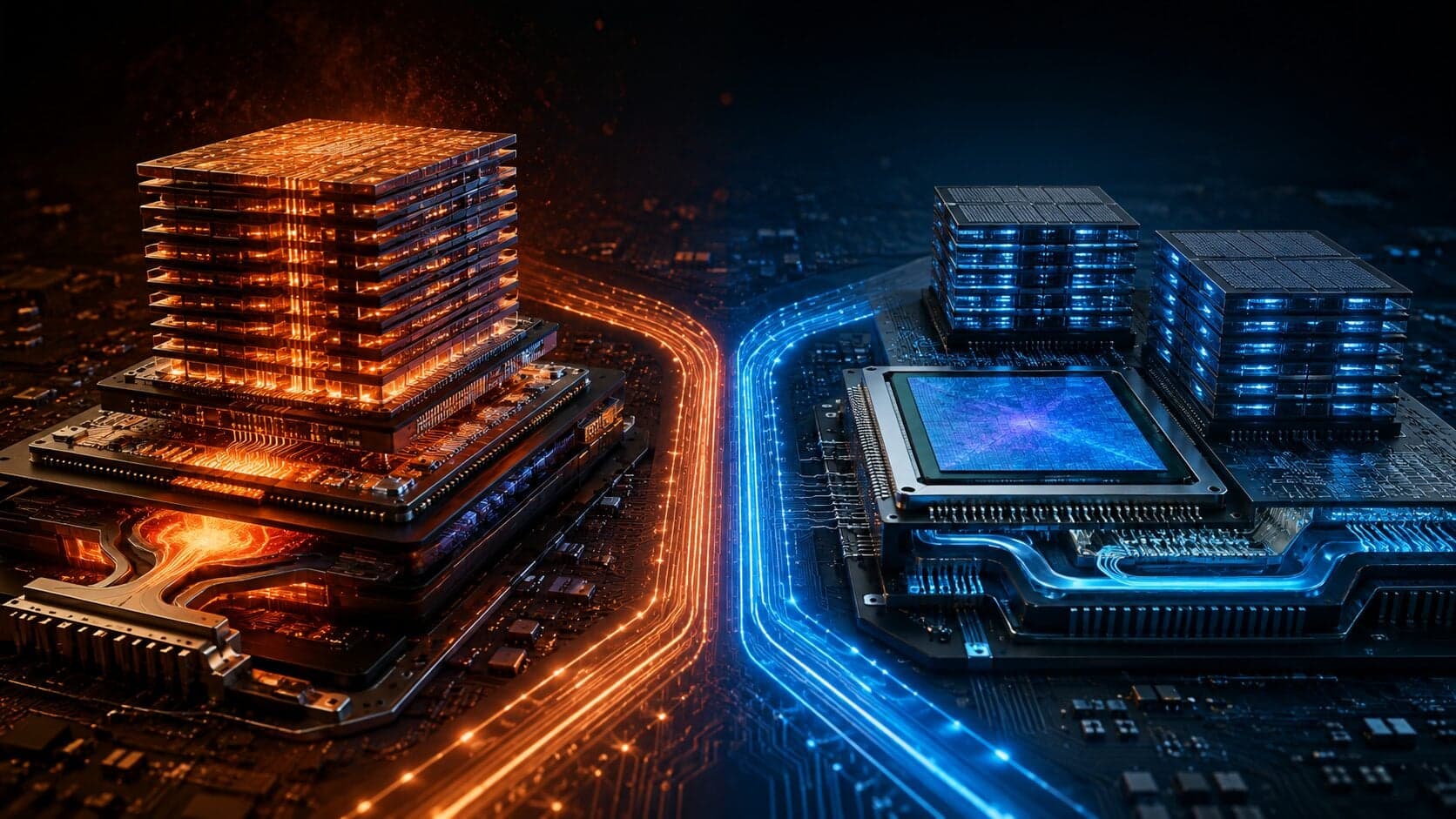
In recent years, there has been a manufacturing shift from standard DRAM to HBM memory. DRAM, as we all know, comes on memory sticks that plug into the motherboard, while HBM chips actually sit right next to the CPU itself. It is rarely used on standard CPUs, but it is almost always used on AI accelerators.
HBM has a price premium of about 30% more than DRAM, which makes it more profitable. And memory makers are shifting to that to meet increasing demand. A significant portion of global memory capacity is being redirected to HBM, and its share is expected to grow from between 25% and 30% now to over 38% by 2029.
The other problem is that the industry was in the midst of a shift from DDR4 memory to DDR5. Those shifts from one generation of technology to the next are always fraught with risk as demand shifts. Memory makers have to build whole new production lines to support the new memory format while winding down their old fabrication facilities.
So you have the natural shortage of supply due to the shift in memory formats on top of the shift in memory from DDR5 to HBM. The result is supply constraints that are expected to persist until at least 2028, with relief unlikely before 2030, especially for HBM and leading-edge DRAM nodes, according to a new report from management consulting firm Kearney.
The challenge is exacerbated by the fact that the same memory wafers are used to make standard DRAM, HBM, and flash memory used in solid-state drives (SSDs). The result is that all three are in short supply. “The constraint is no longer only total bit supply. It is whether the right bits, on the right nodes, in the right packages, are available to the right customers,” Kearney researchers wrote.
Overall bit supply continues to grow but not in the configurations most needed, causing ongoing shortages through 2029. Even in surplus scenarios, full normalization of prices and supply is unlikely before 2028 due to persistent HBM demand.
The report says that industrial and enterprise customers are not likely to feel the pinch of the shortage because they are being favored in the marketplace. The same can’t be said for consumers and mass-market industries, which will feel shortages first, leading to price increases and demand down-scaling.
Demand will shift up the value chain, with lower-margin segments adjusting first and higher-value sectors experiencing delays later. Memory will clear by willingness to pay, not by need, the report noted.
“Under DRAM supply tightness, demand does not adjust uniformly. Supply flows first to the customers that can pay the most, commit earliest, and generate the highest value for suppliers. Everyone else adapts through higher prices, lower memory configurations, delayed launches, or reduced demand,” the report said.