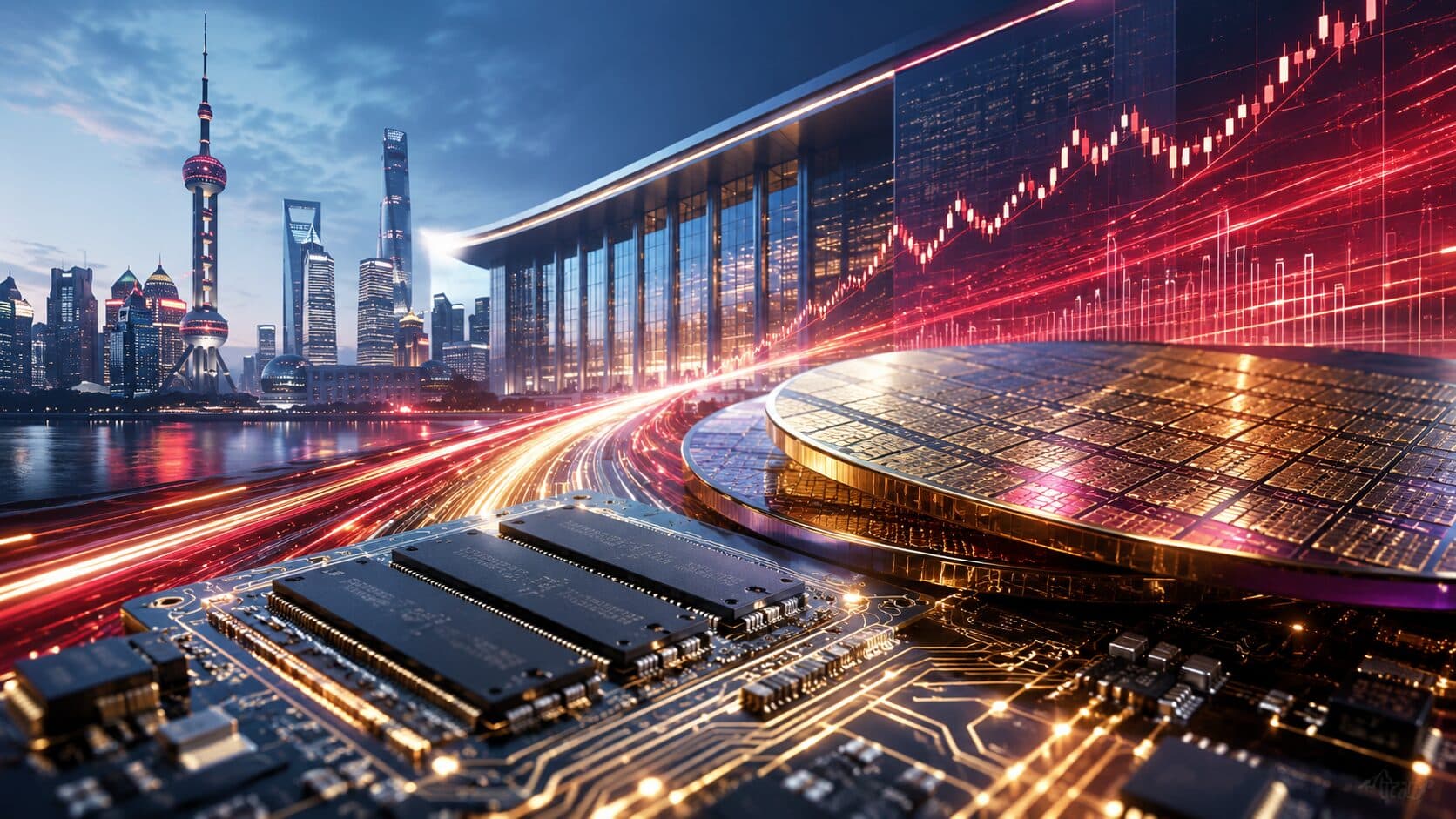
The AI memory boom has produced at least one big winner: Samsung Electronics, one of the three major memory makers, posted preliminary Q2 earnings that blow away all prior sales figures.
The South Korean technology giant said it expects second-quarter operating profit of 89.4 trillion won (US$58.4 billion), a nearly 19-fold increase from a year earlier and a 56% jump from the previous quarter. Revenue is projected to reach 171 trillion won ($113 billion), up 129% year over year and also an all-time high.
The results greatly exceeded analysts’ expectations and are due in no small part to the AI boom that has seen an explosion in memory sales. Memory includes standard DRAM, graphical DRAM that goes on the graphics cards, SSDs, and high-bandwidth memory used in AI accelerators. Samsung makes all four.
And the profits could have been even greater. Samsung’s profit surged even as it set aside funds for sizeable bonuses for its semiconductor workers in a wage deal in May linking their pay to operating profit. Samsung had to make a deal because workers were threatening a strike if they didn’t get what they wanted. Without those provisions, analysts said its operating profit would likely have exceeded 100 trillion won.
Yet despite the record profits, Samsung shares fell nearly 7% following the announcement, because investors were concerned that expectations for AI-related semiconductor companies had become stretched after a massive rally earlier this year.
And other parts of Samsung’s business are not doing anywhere near as well as the memory division, according to one analyst. “Samsung’s current profit structure is almost entirely carried by its memory division—specifically high-bandwidth memory (HBM) and DRAM for AI data centers,” said Rob Enderle, principal analyst with The Enderle Group.
“While memory margins are exceeding 70%, their other core businesses, including mobile, home appliances, and foundry, are actually struggling and operating at a loss. They are effectively functioning as a highly profitable memory company dragging along underperforming divisions,” he added.
Samsung’s memory business remains the company’s primary earnings engine, benefiting from rising prices for server DRAM and continued demand for AI systems. However, analysts expect the company’s foundry and logic chip operations to remain under pressure as they continue competing against rivals in advanced chip manufacturing.
The earnings reinforce the central role memory manufacturers now play in the AI supply chain. Alongside rival SK hynix, Samsung has benefited from surging demand for high-bandwidth memory used with AI processors from companies including NVIDIA and other accelerator vendors.
Investors, however, are looking beyond current demand. Concerns that major U.S. technology companies could eventually moderate AI capital expenditures—and that memory pricing gains may begin to normalize—have weighed on semiconductor stocks despite continued record earnings. Micron experienced a similar sell-off despite good quarterly numbers as well. The sell-off extended across global chipmakers following Samsung’s announcement.
As to whether they can sustain this level of revenue, Enderle says in the near term, yes. “The AI infrastructure build-out is creating an acute shortage, and Samsung expects HBM sales to more than triple this year. They are also securing long-term agreements that limit volatility and lock in higher prices,” he said.
However, long-term sustainability hinges entirely on whether major tech companies maintain this massive AI capital expenditure, Enderle added. “If cloud providers cool their spending, or if aggressive industry-wide capacity expansions cause an oversupply by 2027 or 2028, this momentum will inevitably stall,” he said.
Samsung is expected to release its full second-quarter financial results, including performance by individual business divisions, later this month.
AI Infrastructure
Trump Weighs Expanded Semiconductor Tariffs to Drive Reshoring, Raising Alarm Over U.S. AI Growth: Report
Aug 27, 2026