I recently wrote about the BYOP movement, where datacenter providers are increasingly making datacenter plans that include dedicated power, so consumers do not wind up paying a tax for the data center industry’s exploding energy demands.
But there is another, perhaps bigger AI tax that we are going to have to pay.
All of the computing devices you use are going to get more expensive. Think of it as an AI tariff if you will.
When I say computing devices, I do not just mean laptops. Yes, it starts there, but it will soon show up in your phone, your automobile, your appliances and pretty much anything that contains chips, memory or storage.
So when you hear people talk about the cost of AI, do not just think about energy. The real AI tax is something else entirely.
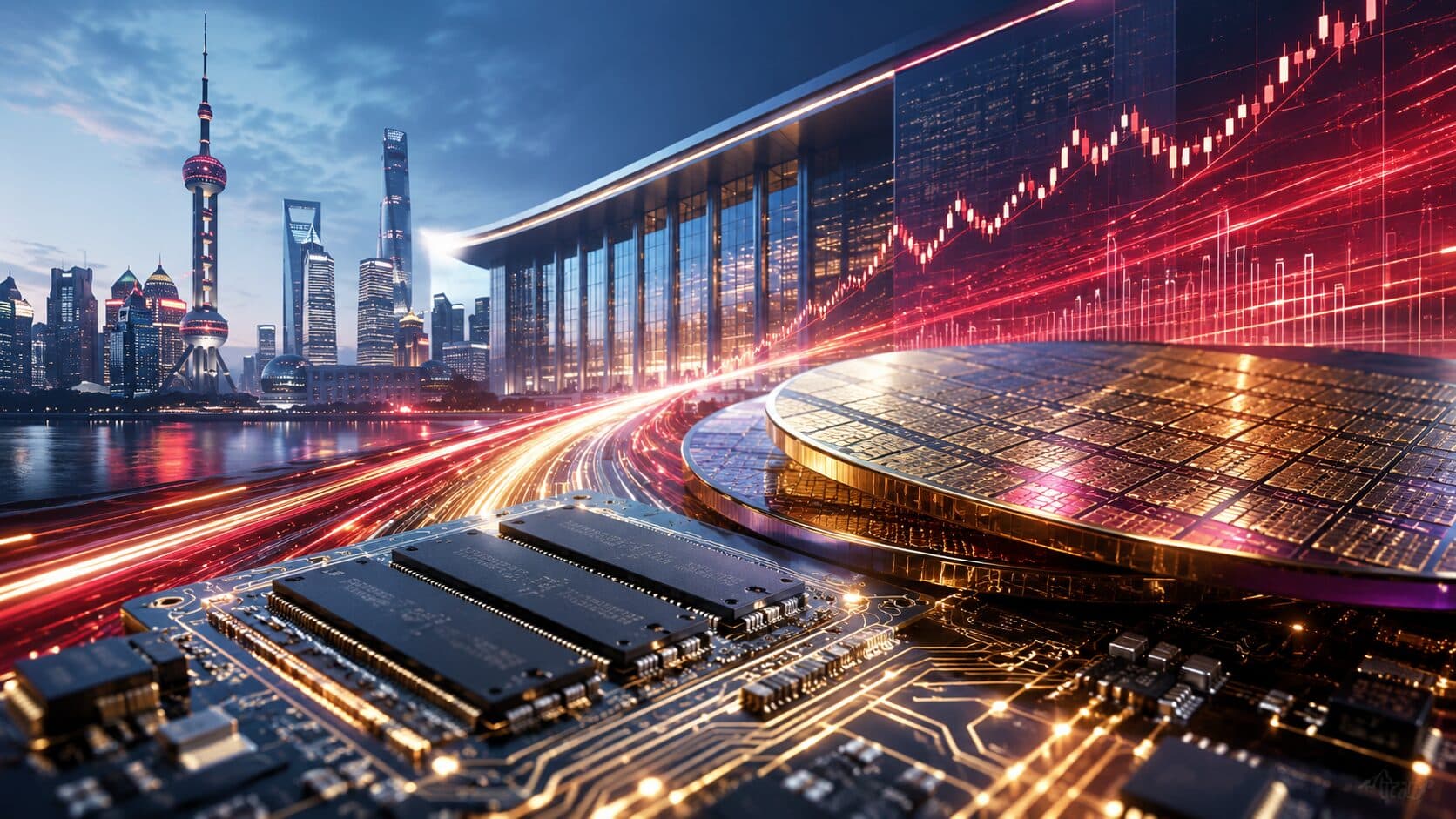
The companies building AI infrastructure just bought most of the world’s memory supply.
They have locked up wafer capacity at the semiconductor fabs. They are reserving production runs years in advance. The result is a supply chain squeeze that will ripple through every device that contains silicon.
And that is just the first AI tax.
The Memory Land Grab
A recent report in The New York Times Wirecutter titled “The Death of the Cheap Laptop Is Coming” lays out the early evidence. DRAM prices have surged as much as 300% in the past year. Solid-state drive prices have doubled in some cases. Analysts expect laptop prices alone to rise 20 to 30% as new models launch.
In other words, the AI tariff is not theoretical. It already has a number.
The root cause is simple economics. The companies building AI infrastructure need enormous amounts of memory and storage. AI training systems consume staggering quantities of DRAM, flash storage and GPUs. Those components come from the same semiconductor supply chain that produces the parts used in your laptop or phone.
And that supply chain is remarkably concentrated.
Almost all of the world’s DRAM comes from three companies: Samsung Electronics, SK Hynix and Micron Technology.
Meanwhile, the majority of advanced semiconductor manufacturing happens at a small number of foundries led by TSMC.
When hyperscalers start reserving production capacity at those suppliers, the entire market moves.
According to the New York Times reporting, AI companies have secured massive portions of DRAM output through long-term agreements. Some analysts estimate that deals struck by firms such as OpenAI could involve as much as 40% of global RAM production capacity.
Once those contracts were announced, the rest of the industry scrambled to lock down supply.
Companies building AI infrastructure, such as Microsoft, Amazon and Google began securing their own component supply agreements.
The result is a global bidding war for silicon.
And when trillion-dollar companies are bidding against consumers, the outcome is not hard to predict.
AI Servers Eat Memory
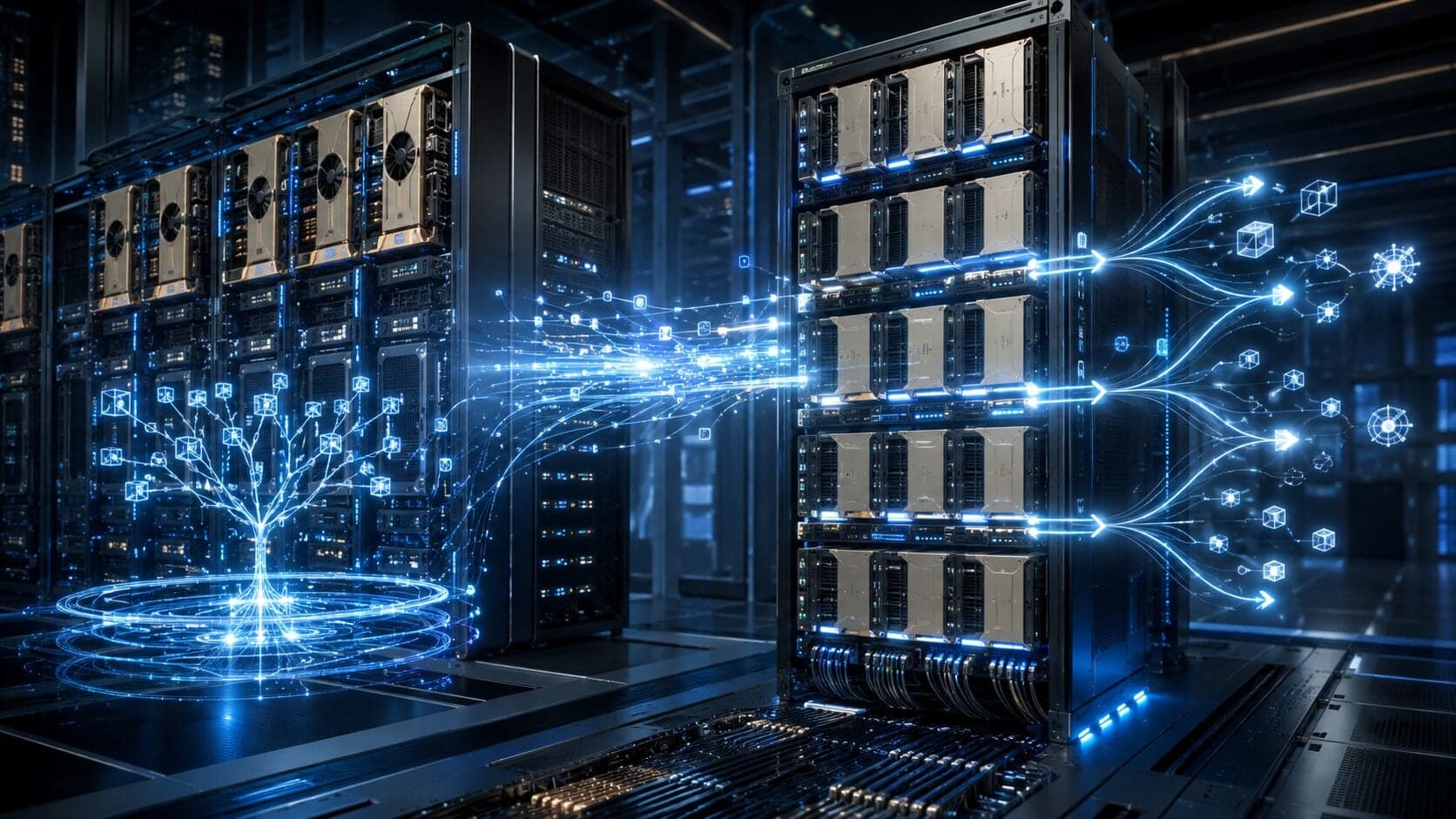
A typical laptop might ship with 16 gigabytes of memory. A modern AI server can require one or two terabytes. A single rack of AI hardware can consume as much memory as thousands of consumer PCs.
That demand does not just affect memory. It also drives consumption of NAND flash storage, advanced processors and specialized packaging technologies required for high-performance chips.
Every one of those components flows through the same semiconductor ecosystem.
When the AI infrastructure boom accelerates, the rest of the market feels it immediately.
This is why analysts now expect shortages and price pressure to continue well into 2027.
The Double AI Tax
There is another wrinkle that makes the situation worse.
Consumers are now facing what could be called a double AI tax.
The first tax comes from the supply chain squeeze. AI infrastructure projects are consuming the memory, storage and manufacturing capacity used by consumer electronics.
The second tax comes from the push to add AI capabilities directly into devices.
Laptop manufacturers now advertise neural processing units. Smartphones are adding on-device AI features. Automakers are embedding AI chips in vehicles. Each of these features increases the hardware requirements inside the device.
More compute. More memory. More storage.
That raises the bill of materials before the product even reaches store shelves.
Put those two forces together and the price pressure compounds quickly.
We Have Seen This Movie Before
The technology industry has experienced supply chain distortions like this before.
During the cryptocurrency boom several years ago, graphics cards vanished from store shelves as miners bought every GPU they could find. A graphics card that should have cost $400 suddenly sold for $1,200. Gamers were left empty-handed.
Companies like NVIDIA and Advanced Micro Devices found their products diverted almost entirely into mining rigs.
Eventually, that market cooled and GPU prices returned to normal.
What is happening now is similar, except the scale is far larger. Instead of crypto miners buying graphics cards, the hyperscalers building AI infrastructure are locking up the memory, storage and semiconductor capacity that powers the entire computing industry.
And unlike crypto mining, the AI infrastructure race shows no signs of slowing down.
The Inflation Angle
There is another implication that does not get enough attention.
This AI tariff will contribute to inflation.
Semiconductors sit at the heart of modern manufacturing. They power consumer electronics, vehicles, appliances, medical devices and industrial equipment.
When the price of memory and chips rises, the ripple effect spreads across the entire economy.
That means the cost of everything from a refrigerator to a child’s toy could inch upward because the components inside those products are becoming more expensive.
In other words, the AI boom is quietly reshaping the price structure of the physical world.
Shimmy’s Take
The New York Times article concludes that things will likely get worse before they get better.
That sounds about right.
For prices to fall back down, one of two things would need to happen.
First, the semiconductor industry would have to dramatically expand manufacturing capacity beyond what already exists and beyond what AI infrastructure itself will require.
Second, demand for AI hardware would need to slow down.
What do you think the chances of either of those things happening anytime soon are?
Exactly.
Building semiconductor fabs takes years and tens of billions of dollars. Meanwhile, the global race to build AI infrastructure is accelerating.
The reality is that the AI tariff may be with us for quite a while.
Consumers may never see the massive GPU clusters and training systems being built around the world. But they will feel the effects every time they buy a new laptop, a phone, a smart appliance or even a child’s toy.
The AI revolution will change software, reshape industries and create entirely new markets.
It will also quietly raise the price of the devices we use every day.
That is the AI tariff.
And whether we realize it or not, we are all going to pay it.
SHARE THIS STORY
Originally published by Techstrong.IT. Republished with attribution.