China’s Ministry of State Security (MSS) has operated a clandestine, multi-year operation aimed at acquiring restricted artificial intelligence (AI) semiconductors and gathering intelligence on global chip supply chains, according to a report by The New York Times.
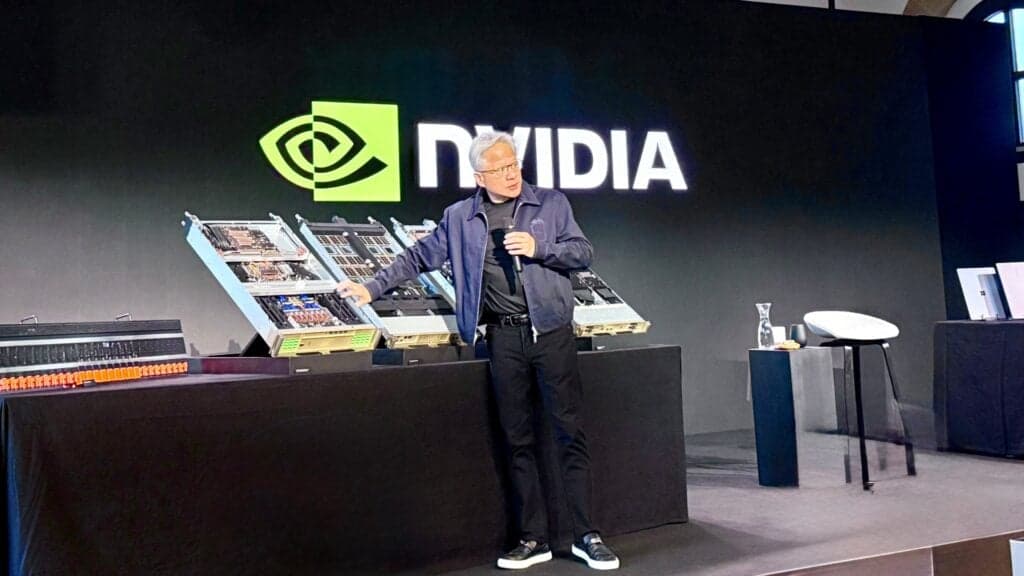
News of the scheme comes amid intense political fallout in Washington following the abrupt resignation of NVIDIA Corp. CEO Jensen Huang.
Citing current and former intelligence officials from the United States, Europe, and Asia, the Times reported that the spy agency established a specialized working group reporting directly to MSS chief Chen Yixin.
Tasked with smuggling advanced chips into China to bypass Western export controls, the unit operates under a broader national strategy overseen by the Central Science and Technology Commission, which Chinese President Xi Jinping formed in 2023 to accelerate domestic technological self-reliance.
Beijing has dismissed the espionage allegations as “pure fabrication.”
The intelligence campaign intersects directly with the controversy surrounding Huang, who stepped down from NVIDIA days before last week’s Asia-Pacific Economic Cooperation (APEC) summit in China.
Huang’s departure followed reports of extramarital affairs, including a relationship with Alice Huang, a Chinese businesswoman and alleged intelligence operative.
According to the Times, Alice Huang founded Singapore-based Megaspeed, a firm accused of purchasing billions of dollars’ worth of NVIDIA processors and routing computing power to Chinese enterprises via overseas data centers — a practice that effectively circumvents U.S. trade restrictions introduced in late 2022.
Alice Huang has not responded to requests for comment.
In Washington, the disclosures have triggered sharp criticism from Capitol Hill. Senate Intelligence Committee Chairman Tom Cotton (R-Ark.) told The Wall Street Journal on Friday that Commerce Secretary Howard Lutnick and his deputies ignored repeated warnings for more than a year regarding front companies diverting U.S. chips.
Cotton noted that he formally requested an investigation into Megaspeed as early as October 2025, accusing the Commerce Department of failing to take national security threats from Beijing seriously.
Meanwhile, the Trump administration has moved to tighten oversight while maintaining its broader trade posture.
On Monday, officials announced a new rule — slated to take effect in roughly 90 days — requiring foreign data centers to obtain federal licenses before providing substantial computing capacity to firms headquartered in China, Russia, and Iran.
Despite the upheaval at NVIDIA, which recently formed a new board committee to oversee trade compliance, Treasury Secretary Scott Bessent said Friday on CNBC’s Squawk Box that U.S. export policy remains unchanged.
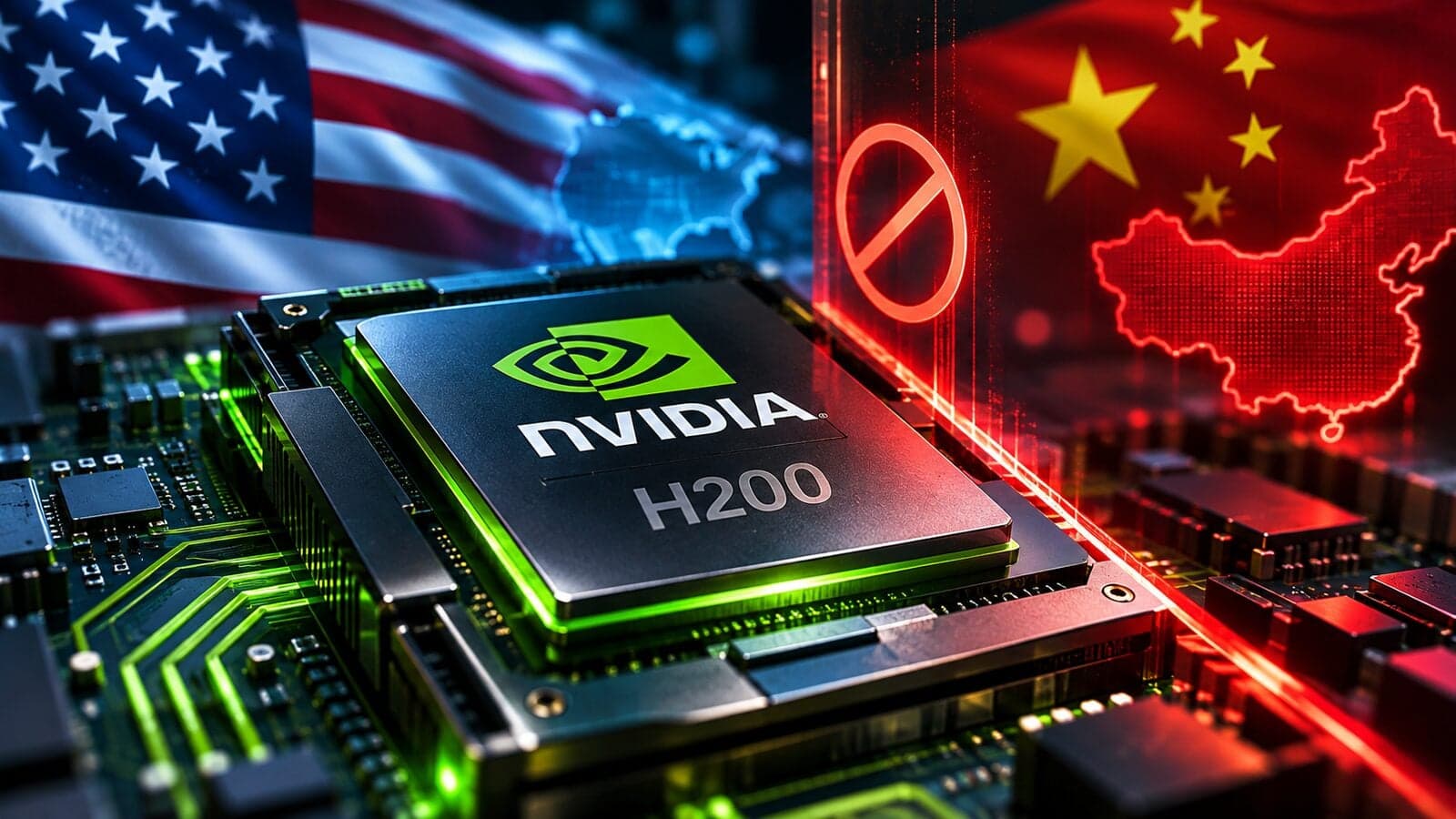
Bessent confirmed that NVIDIA’s H200 processors remain the “threshold level” permitted for sale to China, a line previously negotiated after Jensen Huang lobbied the White House to ease restrictions.
Bessent also said the former NVIDIA CEO was not discussed during bilateral meetings at the APEC summit. However, President Donald Trump, who met with Xi and Russian President Vladimir Putin during the gathering, told Fox News on Wednesday he “might have” mentioned the matter briefly to Xi, calling Huang a “brilliant man” and describing his exit as a tragedy.