Chipmaker NVIDIA Corp. is facing intensifying federal and state scrutiny following the abrupt resignation of longtime CEO Jensen Huang amid revelations of an affair with a suspected Chinese intelligence operative, triggering congressional inquiries and a California securities investigation into potential export control violations.
On Thursday, California Attorney General Rob Bonta issued an investigative subpoena to NVIDIA, launching a probe into whether the Santa Clara, Calif.-based company’s advanced artificial intelligence chips were illegally diverted to China and whether executives misled investors about those risks.
Simultaneously, House Democrats opened a formal investigation into whether NVIDIA improperly interfered with a U.S. Commerce Department probe into alleged chip smuggling, while newly released congressional data revealed the Trump administration approved nearly 900,000 advanced AI chip shipments to Chinese firms over a six-month span.
The cascading legal and political fallout follows Huang’s resignation last week after allegations surfaced that he engaged in multiple extramarital affairs, including one with Alice Huang, a former executive at Singapore-based cloud firm Megaspeed. U.S. authorities suspect Alice Huang (no relation) of being a Chinese spy, an allegation Beijing has denied.
“The conduct of NVIDIA and its former CEO raises bright red flags, including about the ways in which the company may have misled investors,” Bonta said in a statement announcing the subpoena. “My office is investigating whether NVIDIA or Jensen Huang’s actions resulted in China obtaining advanced chips or confidential information — and if NVIDIA misled investors and the public about this risk, in violation of the law.”
Megaspeed, an NVIDIA partner that operates data centers, has been the subject of a two-year investigation by the Commerce and Justice departments over the suspected illegal diversion of restricted NVIDIA hardware to China.
According to federal officials, Commerce investigators requested sales records from NVIDIA in May 2025 and conducted an on-site inspection at Megaspeed alongside Singaporean authorities the following month, during which they interviewed Alice Huang.
In a letter Thursday to Commerce Secretary Howard Lutnick, House Foreign Affairs Committee Ranking Member Gregory Meeks, D-N.Y., and Rep. Sydney Kamlager-Dove, D-Calif., demanded records regarding NVIDIA’s interactions with federal investigators.
According to a Commerce official, NVIDIA bypassed standard channels in August 2025 to contact investigators directly, claiming Commerce Under Secretary Jeffrey Kessler had authorized the outreach.
“The American public and Congress deserve a full accounting of what happened,” the lawmakers wrote, questioning whether the administration allowed a corporation “financially and personally linked to the Trump administration to interfere with enforcement activity.” They set a Dec. 1 deadline for the department to turn over relevant documents.
A spokesperson for the Commerce Department’s Bureau of Industry and Security (BIS) pushed back against the allegation, stating that the agency “conducts all enforcement strictly by the book” and “enforces aggressively across the board, including with respect to chip smuggling.”
NVIDIA said it routinely consults with department officials to provide information and request guidance, adding that it looks forward to engaging with Congress. Megaspeed said it complies with all applicable U.S. export control laws.
The controversy has also cast a harsh spotlight on the Trump administration’s broader export licensing policies in what many are now calling Chipgate.
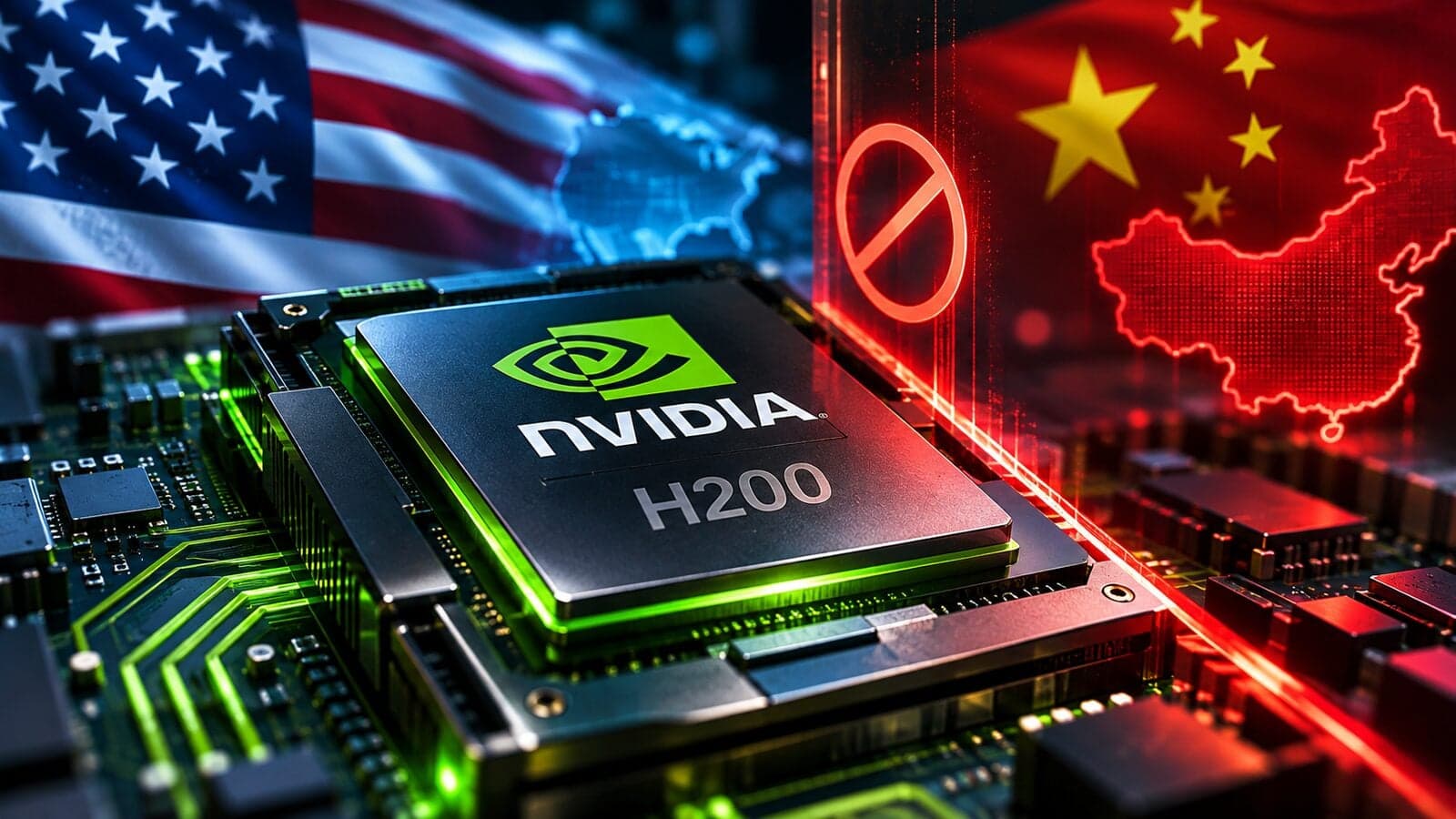
On Thursday, the House Foreign Affairs Committee released data showing that between December 2025 and May 2026, the Commerce Department approved 879,000 shipments of advanced AI chips — including NVIDIA’s H200 and AMD’s MI325X — for Chinese companies out of more than 3.4 million requested.
Notably, more than a quarter of those approved shipments were destined for firms placed on the Pentagon’s blacklist of alleged Chinese military-backed companies, including 150,000 chips for Tencent, 75,000 for Alibaba, 43,000 for Baidu, and 4,000 for BYD.
Chris McGuire, a former U.S. official and technology policy expert, called the volume of approvals for designated military-linked firms “astonishing,” adding that it “calls into question whether Commerce conducted any serious national security review before approving these licenses.”
The Commerce Department defended its licensing framework, citing a January 2026 Federal Register rule that imposes strict national security conditions for case-by-case reviews.
In a statement, NVIDIA noted that its licenses were “subject to strict conditions and limited volumes,” adding that the company has “since stopped shipping H200s to China.”
AMD said it maintains rigorous compliance processes to adhere to all U.S. export control regulations.