A sophisticated $4 billion offshore supply chain and tens of thousands of direct export approvals have enabled Chinese tech giants — and potentially China’s military — to access advanced American artificial intelligence (AI) chips despite U.S. national security restrictions.
Central to the overseas workaround is Megaspeed, a little-known Singaporean company anchored by Chinese internet giant Alibaba, according to a New York Times investigation.
Fronted by Alice Huang and her husband, Kang Wei, Megaspeed purchased more than $4 billion in NVIDIA Corp. hardware over several years.
Rather than shipping all the processors directly into mainland China, Megaspeed installed them in data centers across Southeast Asia, including a massive facility in Johor, Malaysia, built by the conglomerate YTL. Through undersea fiber-optic cables routed via Singapore, Alibaba and its clients accessed the computing power remotely, skirting U.S. export bans.
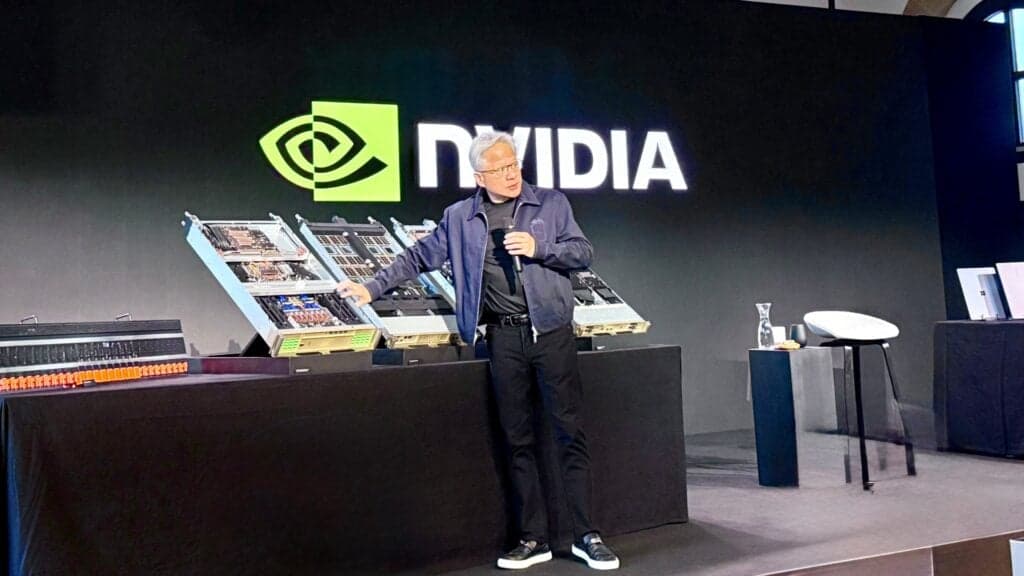
The revelation arrives amid a leadership crisis at NVIDIA. Former CEO Jensen Huang resigned last week following disclosures of an extramarital affair with an employee as well as a separate relationship with Alice Huang, whom U.S. intelligence officials believe is an asset for Chinese intelligence.
According to sources who attended 2023 investor pitches in Shanghai, Alice Huang and her husband boasted that her ties to Jensen Huang would guarantee a steady supply of restricted chips. NVIDIA’s own sales team had introduced Alice Huang to Alibaba in 2022.
While Jensen Huang previously argued that Beijing would never rely on foreign data centers due to security concerns, U.S. officials believe the Chinese military uses overseas facilities to train AI models before deploying operations domestically.
Federal authorities are also investigating whether Megaspeed smuggled chips intended for Southeast Asian data centers directly into China.
Washington’s alarm is heightened by Alibaba’s proximity to China’s defense apparatus. In 2017, Alibaba co-founded Zhejiang Lab, a research institute blending civilian and military science.
Public records and job postings indicate the lab has worked on automating cyberattacks, vulnerability identification, and war-gaming scenarios — including a paper co-authored with a Chinese air force academy simulating strikes against a foreign aircraft carrier group intervening in an island’s independence bid.
Zhejiang Lab is led by Wang Jian, a former Alibaba chief technology officer and longtime friend of Jensen Huang.
Weeks before Huang praised Wang onstage as a “superhero” during a 2025 Beijing visit, Wang had quietly taken an advisory role at the People’s Liberation Army’s National University of Defense Technology, an institution blacklisted by the U.S. over nuclear weapons simulations.
Although it remains unclear whether Megaspeed-sourced chips went directly to Zhejiang Lab, provincial records show Alibaba won contracts for a state-owned computing center serving the lab that advertised access to export-controlled NVIDIA hardware.
Beyond offshore workarounds, newly released House Foreign Affairs Committee data shows that hundreds of thousands of advanced processors were cleared for direct export. Between December 2025 and May 2026, after President Donald Trump rolled back Biden-era restrictions, the Commerce Department approved licenses for 879,000 NVIDIA and AMD Inc. AI chips, out of more than 3.4 million requested, for shipment to Chinese firms.
More than 30% of those approved chips were designated for companies on the Pentagon’s list of alleged Chinese military-backed enterprises, including 150,000 for Tencent, 75,000 for Alibaba, 43,000 for Baidu, and 4,000 for BYD.
“The fact that over 30% of the AI chips sent to China were shipped to companies that the Department of War has designated as Chinese military companies is astonishing, and calls into question whether Commerce conducted any serious national security review before approving these licenses,” said Chris McGuire, a former U.S. official.
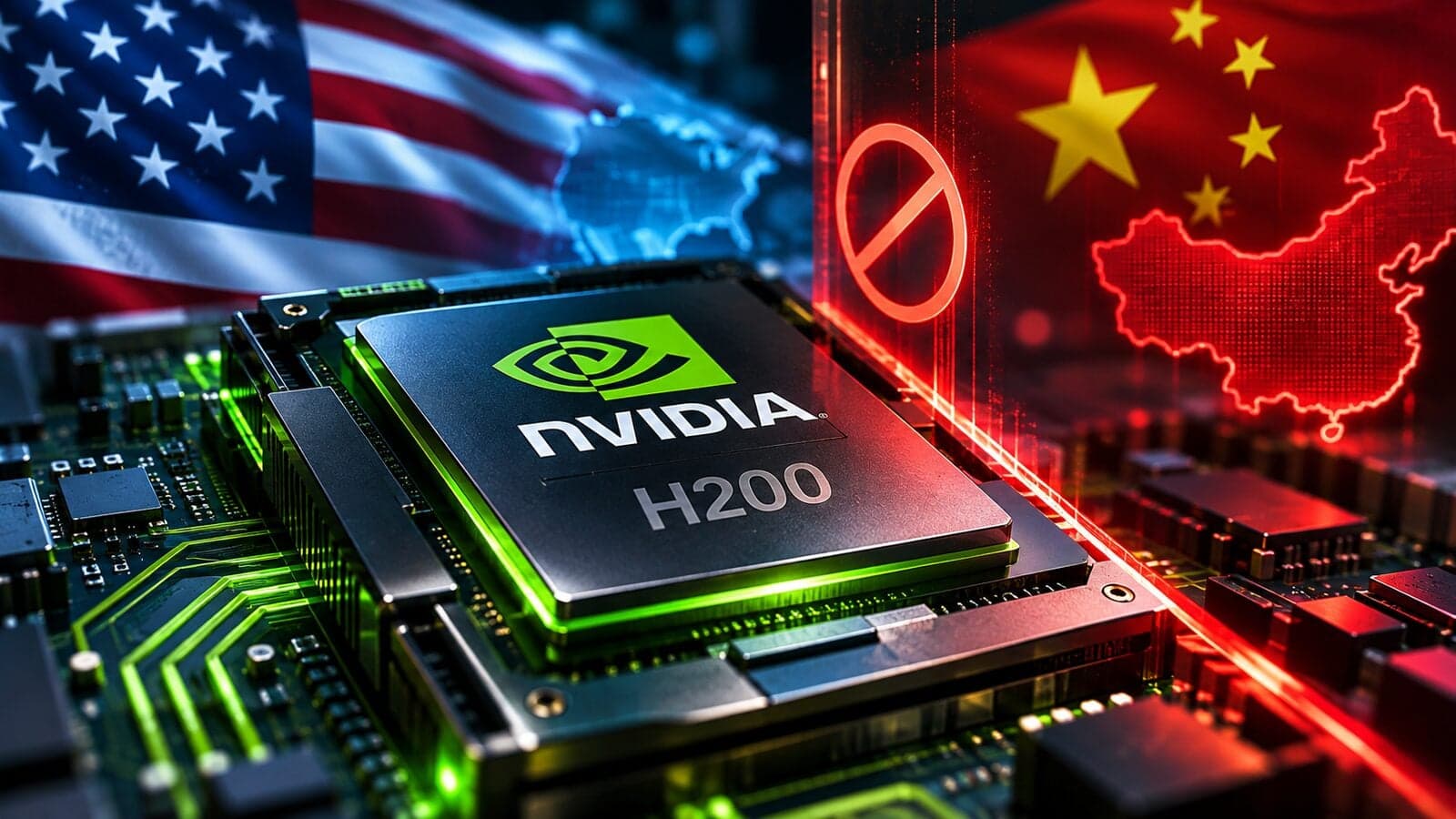
Committee Chair Brian Mast, a Florida Republican, called the disclosure the most detailed in the history of the Export Control Reform Act. While Commerce officials testified in July that initial deliveries of chips like NVIDIA’s H200 were limited, sources indicated several major Chinese internet firms had each obtained roughly 10,000 units.
The involved parties have pushed back against allegations of wrongdoing. Alibaba, which is suing the Pentagon over its military-linked designation, stated its cloud service agreements strictly prohibit military use.
A Chinese embassy spokesperson dismissed the espionage claims as an unsubstantiated smear.
NVIDIA said its export licenses were subject to strict conditions and that it has since halted H200 shipments to China, while AMD affirmed its compliance with U.S. export laws. Megaspeed CEO James Tan stated the company prioritizes compliance and has placed the matter under independent review.
Meanwhile, Washington has tightened rules to close the remote-computing loophole, sending YTL’s stock down roughly 20% over two weeks.
Should Megaspeed falter under mounting scrutiny, an existing contract pledges all its servers, chips, and intellectual property directly back to Alibaba.