Intel has partnered with Elon Musk’s Terafab initiative, a proposed semiconductor effort that aims to support the expanding compute demands of AI and robotics. The agreement joins Intel with Musk-led ventures Tesla, SpaceX, and xAI in an ambitious attempt to reconfigure how advanced chips are produced in the US.
The initiative plans to build out large-scale chip production capacity in Texas, with a focus on supplying processors for AI systems of all types, and potentially space-based data infrastructure. While earlier announcements outlined broad ambitions, Intel’s involvement introduces a layer of manufacturing experience that had been notably absent.
Chip fabrication is widely regarded as one of the most capital-intensive undertakings in today’s tech sector, requiring tens of billions of dollars in investments and years of development before production begins. Until now, questions lingered over how Musk’s companies, none of which have deep roots in chip manufacturing, would execute such a plan. Intel’s entry provides a clearer answer: the effort will likely rely on established fabrication expertise rather than a purely experimental approach.
Big Expertise, Few Details
Intel’s expertise in chip design and fabrication at scale will contribute to Terafab’s target of producing one terawatt of compute annually. That figure reflects the escalating demand for processing power as AI systems grow more complex and energy-intensive. The company has not disclosed specific production details, leaving open questions about whether the partnership will involve new facilities or some type of distributed manufacturing model.
The lack of clarity extends to the partnership overall. Announced through brief corporate statements, the agreement offers little insight into financial commitments or governance. But it is likely that the arrangement could resemble a hybrid model, combining Intel’s existing foundry services with customized chip development tailored to Musk’s companies.
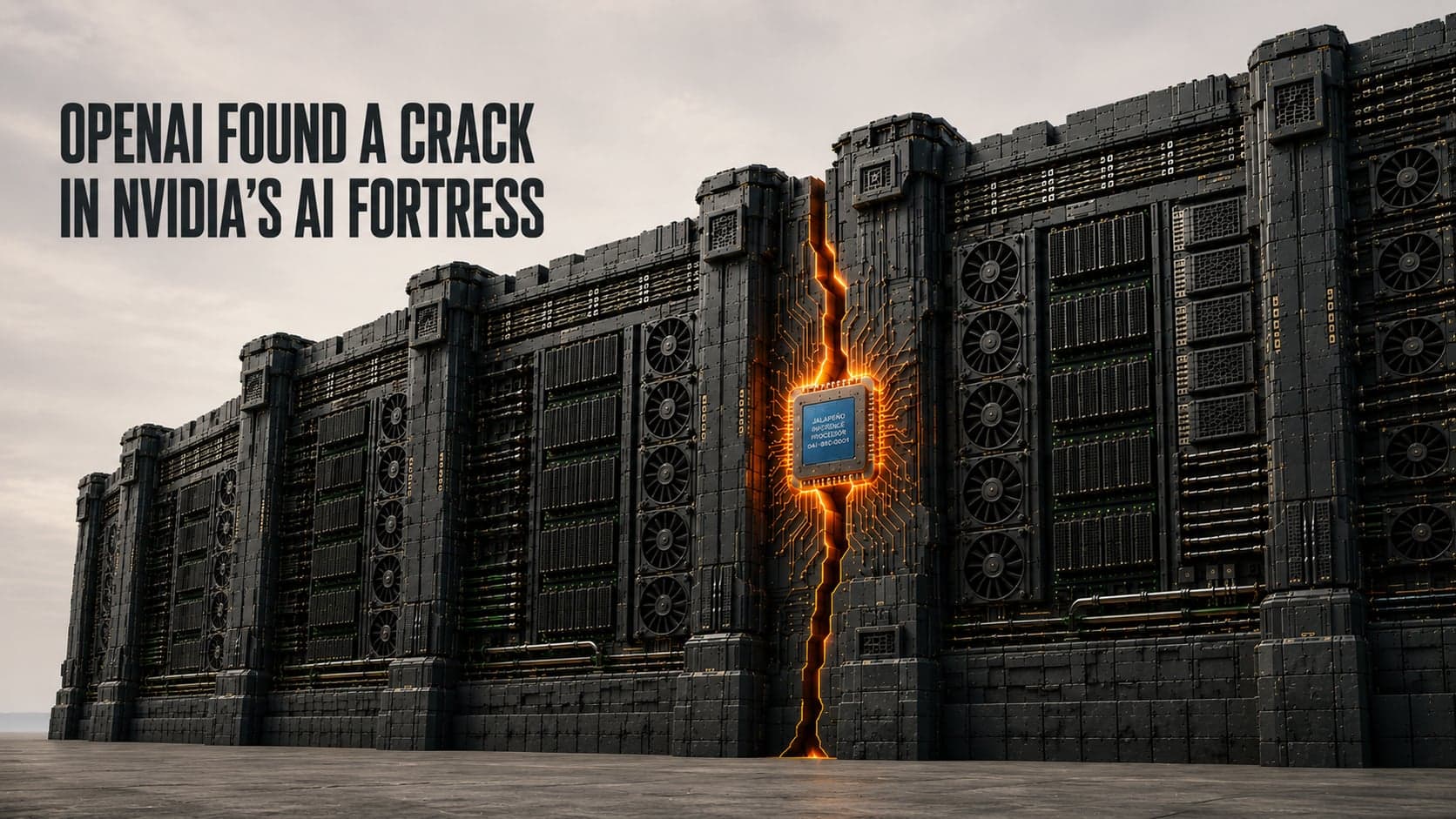
For Intel, the deal supports its long-awaited turnaround effort, as the company has spent recent years attempting to regain ground lost to NVIDIA and AMD. Recently its strategy has centered on expanding its contract manufacturing business and attracting large customers to anchor that effort.
The Terafab partnership seems to be a good building block for that goal. By securing demand from Tesla and SpaceX, Intel strengthens its position as a supplier for high-performance AI workloads. Investors responded positively to the announcement, sending Intel’s shares higher and reinforcing a narrative that its turnaround strategy is gaining traction.
Numerous Challenges
Still, the project faces some real challenges. The proposed facility will be a difficult undertaking, with even optimistic timelines suggesting production may not begin until later in the decade.
For Musk’s companies, Intel’s involvement adds both credibility and practical capability. Tesla’s push toward autonomous driving and robotics requires vast levels of advanced compute, while SpaceX is focused on deploying data infrastructure beyond Earth. With plans this ambitious, securing a reliable chip supply chain is clearly a strategic necessity.
The entire AI industry is facing persistent constraints in compute availability. Demand for high-performance chips continues to outpace supply, prompting companies to explore custom silicon and all manner of new partnerships. Terafab is part of this wider shift, where control over hardware is a key challenge, and a necessity, for long-term competitiveness.
Whether Terafab ultimately succeeds remains uncertain. It depends not only on a huge investment but the ability to coordinate multiple organizations with distinct priorities. But at the very least, Intel’s decision to participate signals that the project has moved beyond concept toward something more tangible.
SHARE THIS STORY
Originally published by Techstrong.IT. Republished with attribution.