Intel CEO Lip-Bu Tan told IT professionals attending a conference in Denver that advances in silicon will soon address many of the power consumption and security issues that are at the heart of the debate over potential risks and benefits of continuing to invest in artificial intelligence (AI).
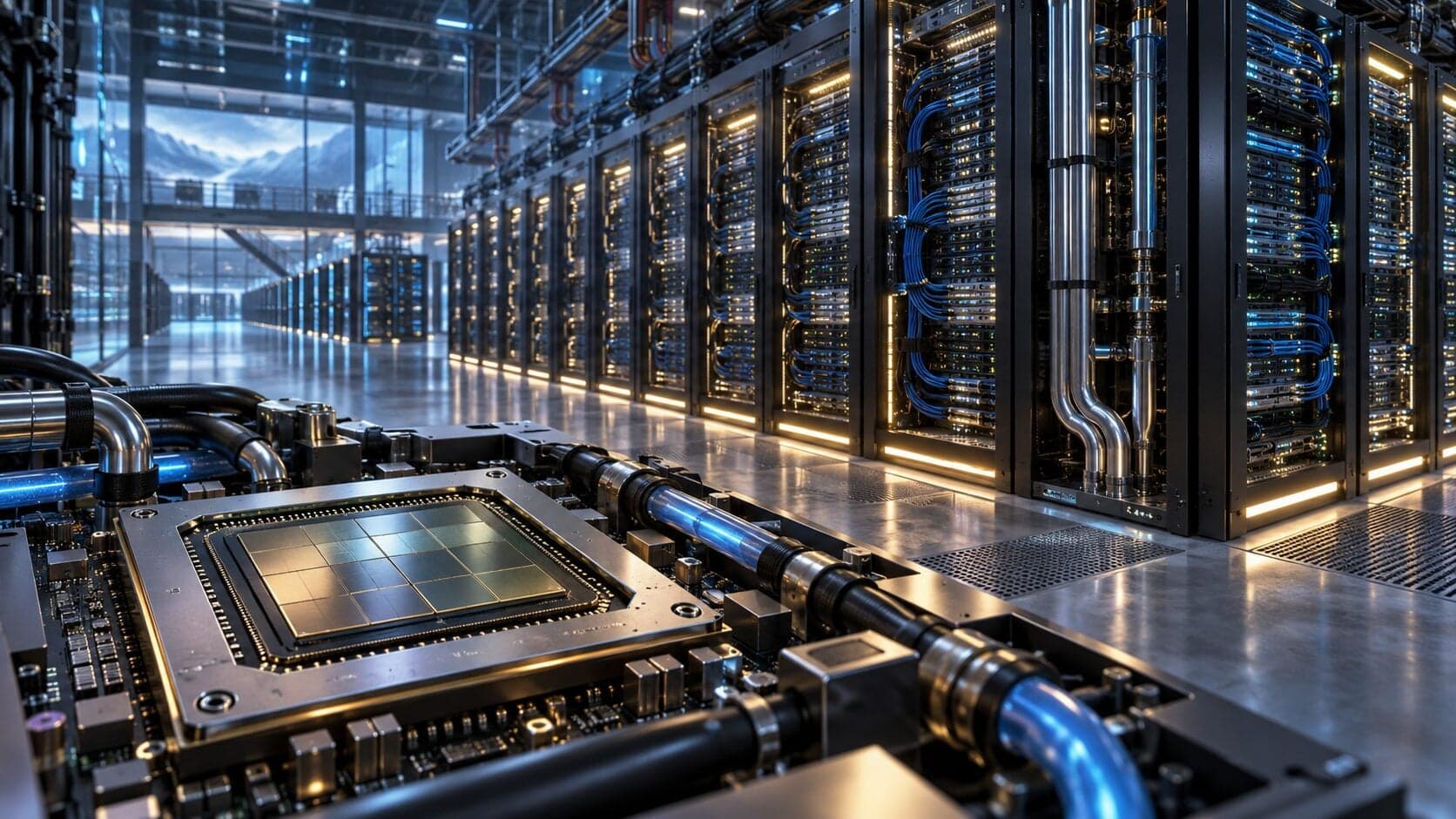
Appearing at a .conf26 event hosted by Splunk, an arm of Cisco, Tan said that unspecified forthcoming advances in semiconductor designs in the future could lead to an approach that would enable AI workloads to be deployed in a way that requires 1/10 to 1/15 the power that graphical processing units (GPUs) typically consume today.
Additionally, advances in packaging of semiconductor technologies will lead to a more systems-level approach to building the infrastructure needed to run those workloads, added Tan. That’s critical because otherwise deploying trillions of AI agents is not going to be sustainable, he noted.
Finally, advances in security at the silicon level will make it possible to safely deploy those AI agents in ways that reduce the chance that a swarm of rogue AI agents will be able to escape from the sandbox that they have been deployed in, said Tan.
As such, the narrative surrounding AI today should be more positive than it is today because the efficiency benefits are substantial, he added. “It is the start of something good,” he said.
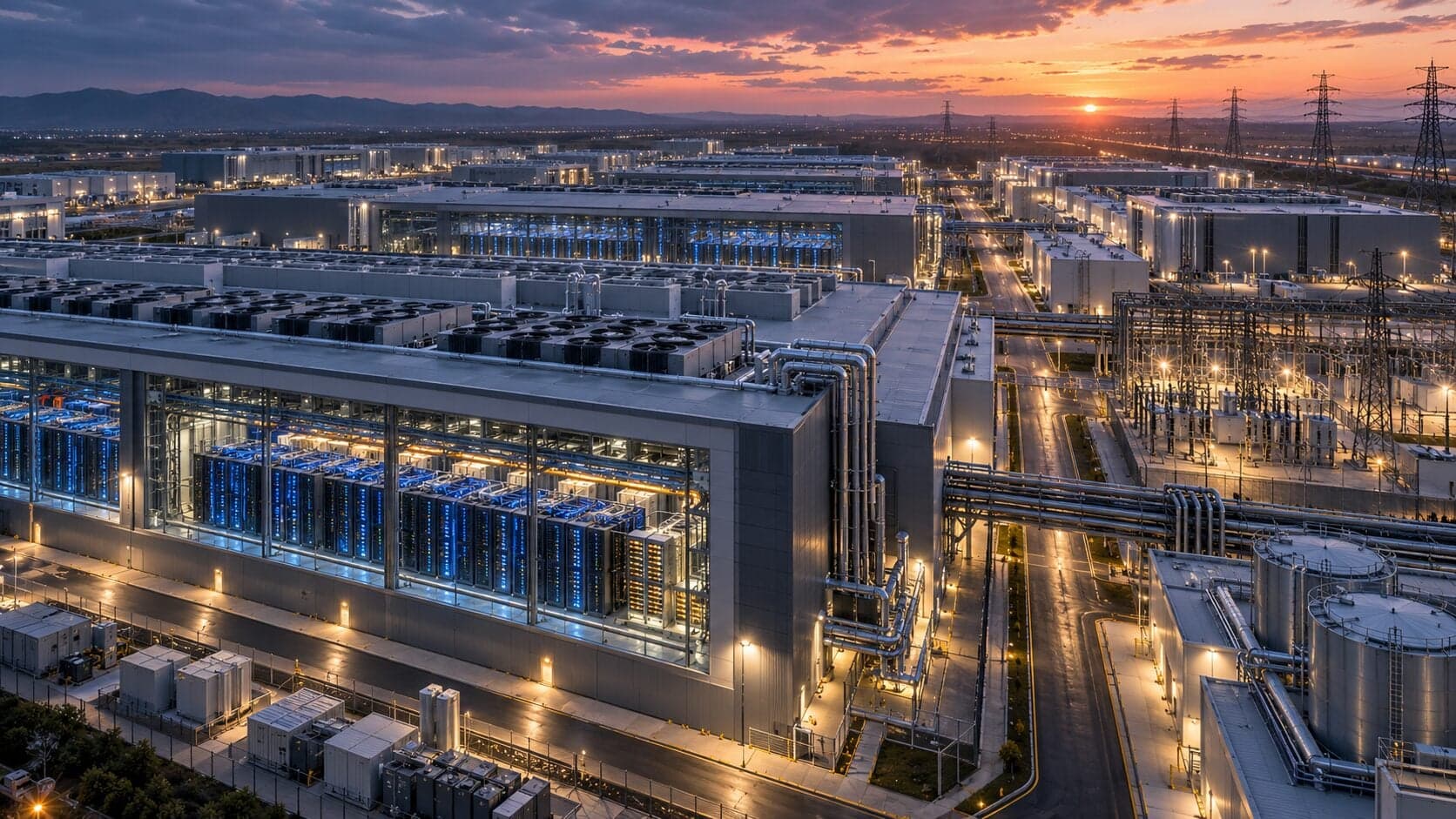
In the meantime, however, the debate over how to responsibly invest in AI continues to rage. Communities around the world are starting to reject plans to build massive data centers because of the impact they will have on the local environment. While there are ways to build data centers that minimize that impact, the first wave of these data center projects have emphasized speed and cost reduction at the expense of the local environment.
At the same time, calls to regulate the AI industry are rising in the wake of a series of high-profile security events where AI agents ignored instructions and guardrails to accomplish specific tasks. Shortly after those incidents were revealed, AI researchers have become more vociferous about concern that the next wave of AI models could be laying the foundation for human extinction. While that has resulted in more legislative proposals to regulate AI, the Trump administration has thus far rejected those initiatives out of hand.
In the absence of any real consensus on how best to regulate AI, resolving power consumption and safety issues will require significant advances in engineering. The issue, of course, is that the rate at which those advances are likely to be made is not keeping pace with the rate at which advances in AI are currently being made. Each government around the world will then need to determine at what pace to allow those advances to be made with or without government supervision until, hopefully, there is an engineering solution that resolves power consumption challenges and safety concerns. In the final analysis, the issue comes down to the level of cost and amount of risk governments might be willing to absorb in the name of staying competitive as rivals continue to invest in AI technologies that will transform not just the global economy but, just as importantly, national security.